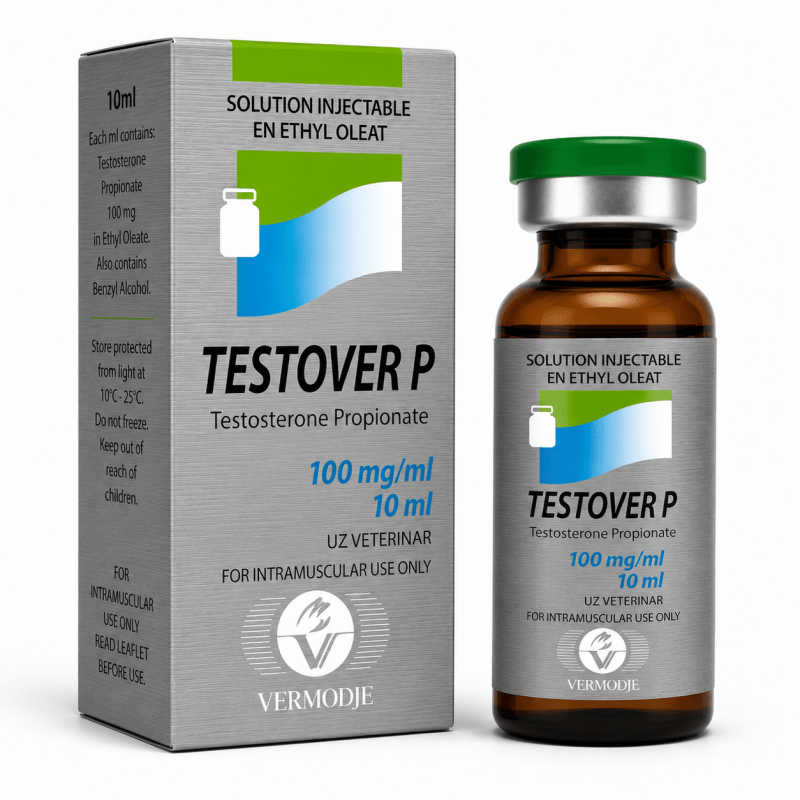
TESTOVER-P Vial 10ml × 100mg/ml Testo-Propionate
A Detailed Guide to Testosterone Propionate, Product Composition and Pharmaceutical Characteristics
Introduction to TESTOVER-P
TESTOVER-P is a product name associated with testosterone propionate, an esterified form of testosterone belonging to the androgenic and anabolic steroid family. The stated presentation is a 10 ml injection vial with a declared concentration of 100 mg/ml. This product description explores the compound's pharmaceutical background, chemical characteristics, label information, and relevant safety considerations.
Testosterone is a naturally occurring hormone that contributes to several important biological functions. It plays a role in reproductive development, sexual health, bone maintenance, muscle function, and red blood cell production. Although testosterone is commonly associated with male physiology, it also has important functions in people of other sexes.
The information presented here is intended for general educational purposes. A product name and its stated specifications do not independently confirm authenticity, manufacturing quality, regulatory approval, or medical suitability.
Understanding the Product Specifications
The TESTOVER-P product title identifies a vial volume of 10 ml and a declared concentration of 100 mg/ml of testosterone propionate.
Based on these figures, the nominal total amount indicated by the label would be 1,000 mg of testosterone propionate per vial. This calculation is based exclusively on the stated concentration and volume and does not verify the actual contents.
Product labels may include the active ingredient, concentration, manufacturer details, batch number, expiry date, and storage instructions. These details are useful for identification and documentation, but they cannot establish product quality without reliable supporting evidence.
What Is Testosterone Propionate?
Testosterone propionate is an ester of testosterone. The propionate ester influences the compound's release characteristics after administration compared with unesterified testosterone.
After the ester is processed by the body, testosterone becomes available to interact with androgen receptors. These receptors are found in different tissues and participate in regulating reproductive functions, bone metabolism, muscle maintenance, and other physiological processes.
Testosterone propionate is recognised in the history of injectable testosterone preparations. Its ester structure distinguishes it from other testosterone esters, although it retains the fundamental hormonal activity associated with testosterone.
Chemical and Pharmaceutical Characteristics
Testosterone propionate belongs to the androgen group of steroid compounds. Androgens are involved in the development and maintenance of sex-related characteristics and influence several systems throughout the body.
Its biological activity is associated with androgen receptor interaction. Testosterone also participates in hormonal pathways that influence other physiological processes.
The compound's effects are not limited to muscle or reproductive tissue. Hormonal activity may influence the cardiovascular system, blood production, skin, hair follicles, prostate, and reproductive organs.
Individual responses can vary considerably. Factors such as age, existing medical conditions, natural hormone levels, genetics, and other medicines may influence how the body responds to testosterone.
Medical Background and Clinical Relevance
Testosterone medicines may be prescribed in specific medical circumstances, including certain cases of clinically confirmed testosterone deficiency. A healthcare professional must assess symptoms, medical history, and appropriate laboratory findings before considering treatment.
A diagnosis should not normally rely on a single laboratory measurement. Repeat testing and investigation of possible underlying causes may be necessary.
Testosterone is not a general treatment for tiredness, ageing, reduced athletic performance, or dissatisfaction with body composition. Hormonal treatment without an established medical indication can expose individuals to unnecessary complications.
Understanding Testosterone's Role in the Body
Testosterone contributes to several biological processes. These include the development of reproductive characteristics, maintenance of bone density, regulation of sexual function, and support of normal muscle tissue.
It also contributes to red blood cell production and interacts with other hormone-regulating systems. Because these processes are interconnected, changes in testosterone levels can influence more than one area of health.
The presence of testosterone in the body is therefore part of a wider hormonal balance. Altering that balance without medical supervision may have consequences that are not immediately noticeable.
Potential Health Effects and Safety Considerations
Testosterone can affect multiple organs and biological systems. Its use may be associated with adverse effects, and individual risks depend on health status and clinical circumstances.
Cardiovascular and blood-related effects
Testosterone may increase red blood cell production in some individuals. An excessive increase in haematocrit can make the blood more concentrated and requires medical evaluation.
Changes in blood pressure and cholesterol levels are also relevant considerations. People with existing cardiovascular conditions require particular attention from a qualified healthcare professional.
Hormonal and reproductive effects
External testosterone can suppress the body's natural hormonal signalling. This may reduce natural testosterone production and interfere with sperm production.
Possible consequences include reduced fertility, changes in reproductive hormone levels, and testicular shrinkage. The extent and duration of these effects vary, and complete recovery cannot be guaranteed.
Skin, hair, and other effects
Possible adverse effects include acne, oily skin, changes in body hair, and accelerated hair loss in genetically susceptible individuals. Fluid retention, mood changes, and alterations in sexual function may also occur.
Testosterone can influence prostate-related health. Individuals with prostate conditions should receive appropriate medical assessment before any testosterone treatment is considered.
Injection Preparation and Quality Awareness
A product supplied in a vial requires careful attention to manufacturing quality, packaging integrity, storage conditions, and sterility. These factors are essential considerations for any injectable pharmaceutical preparation.
Potential injection-related complications include local pain, swelling, bleeding, tissue irritation, and infection. Contamination of the preparation or equipment can lead to more serious complications.
The visual appearance of a liquid cannot confirm sterility, purity, or correct composition. Similarly, an intact vial does not prove that the contents meet pharmaceutical standards.
Product Identification and Authenticity
The TESTOVER-P name and its stated concentration provide basic product-identification information. However, they should not be treated as independent evidence of authenticity.
Responsible quality assessment requires reliable manufacturer information, batch documentation, expiry details, appropriate regulatory authorisation, and evidence of suitable manufacturing standards.
Where the origin or quality of an injectable preparation is uncertain, it should not be assumed to be safe or suitable for medical use. A written product description cannot replace official manufacturer documentation or independent laboratory analysis.
Responsible Medical Evaluation
Testosterone is a hormone-active medicine that requires appropriate clinical consideration. Self-directed use may interfere with natural hormone regulation and create health complications.
A qualified healthcare professional can evaluate whether a genuine medical indication exists and determine what monitoring may be necessary. Depending on the clinical situation, this may include hormone measurements, blood counts, blood pressure checks, and other relevant investigations.
Anyone who has already used a testosterone preparation of uncertain origin should provide accurate information to a healthcare professional. Details about the product and any symptoms experienced can help support appropriate medical assessment.
Warning Signs That Should Not Be Ignored
Certain symptoms require urgent medical attention. These include chest pain, sudden difficulty breathing, fainting, severe headache, one-sided leg swelling, sudden weakness, or significant changes in vision.
Increasing redness, warmth, severe pain, fever, or discharge around an injection site may indicate an infection and should be assessed promptly.
Final Overview
TESTOVER-P is identified by its product label as a 10 ml vial containing testosterone propionate at a stated concentration of 100 mg/ml. Testosterone propionate is an esterified form of testosterone with established androgenic activity and recognised pharmaceutical characteristics.
Understanding this product requires attention to more than its name and concentration. Its composition, manufacturing quality, authenticity, medical context, and potential adverse effects are all important considerations.
This description is provided for general educational awareness only. It is not a prescription, treatment recommendation, or administration guide. Any medical decision involving testosterone should be discussed with a qualified healthcare professional.
- Brand: Vermodje
- Model: Testo-Propionate
- Weight: 0.00kg